
No amputation without a vascular test first.
Up to half of leg and foot amputations in the U.S. happen without a single test of blood flow to the leg. Time Out Before Amputation (TOBA) is the safeguard: stop, check the vascular results, and consider every option to save the limb first.
non-traumatic lower-limb amputations in the U.S. happen without any prior vascular testing. That is an estimated 48,000 to 74,000 people every year.
“How is this acceptable? What other body parts can be removed surgically without prior diagnostic testing? The final decision regarding the need for amputation should be based on objective findings, not subjective opinion.”The Save a Leg, Save a Life Foundation
Studies find that 31.6% to 51% of patients receive no vascular assessment before a lower-extremity amputation. Source: Swoboda L, Bell D, Bauer K, Clayton S. Time Out Before Amputation. Advances in Skin & Wound Care, 2026.
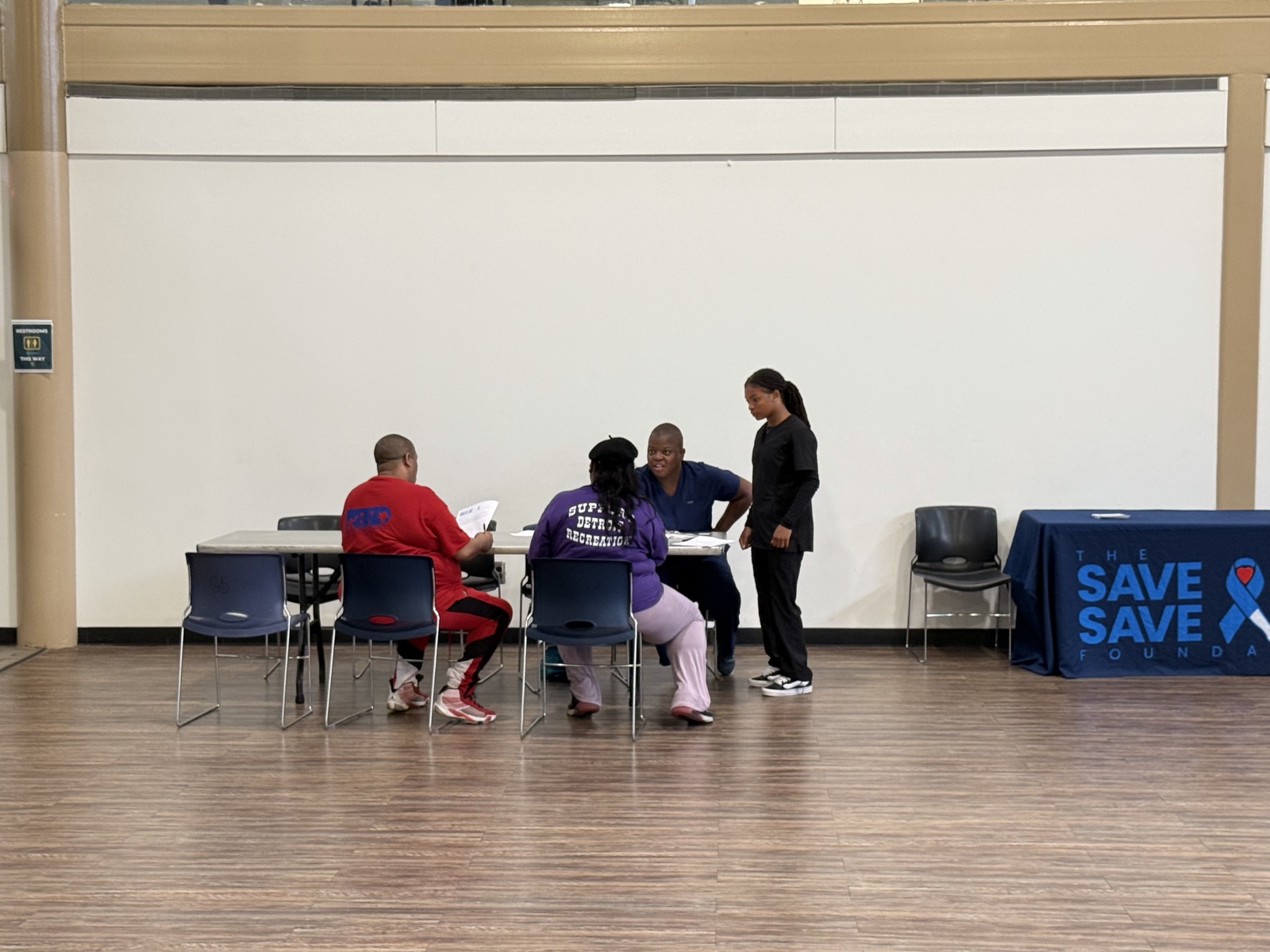
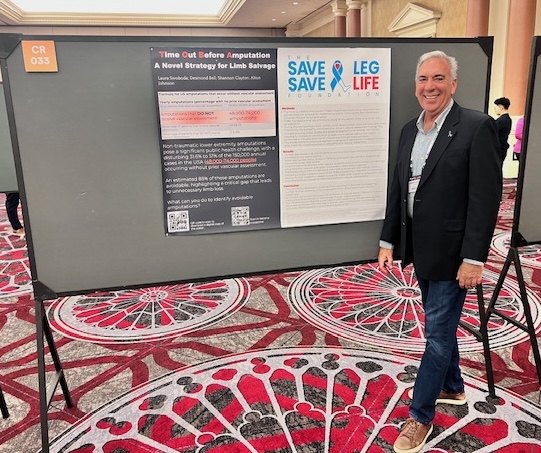
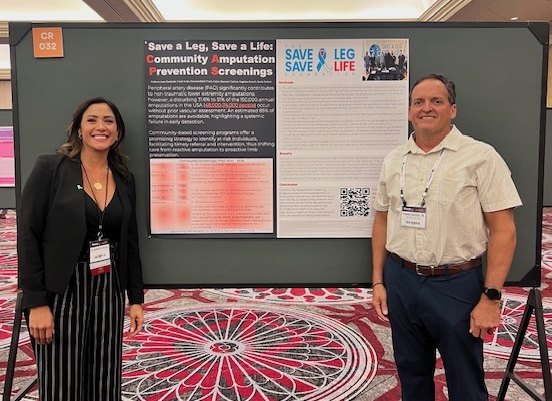
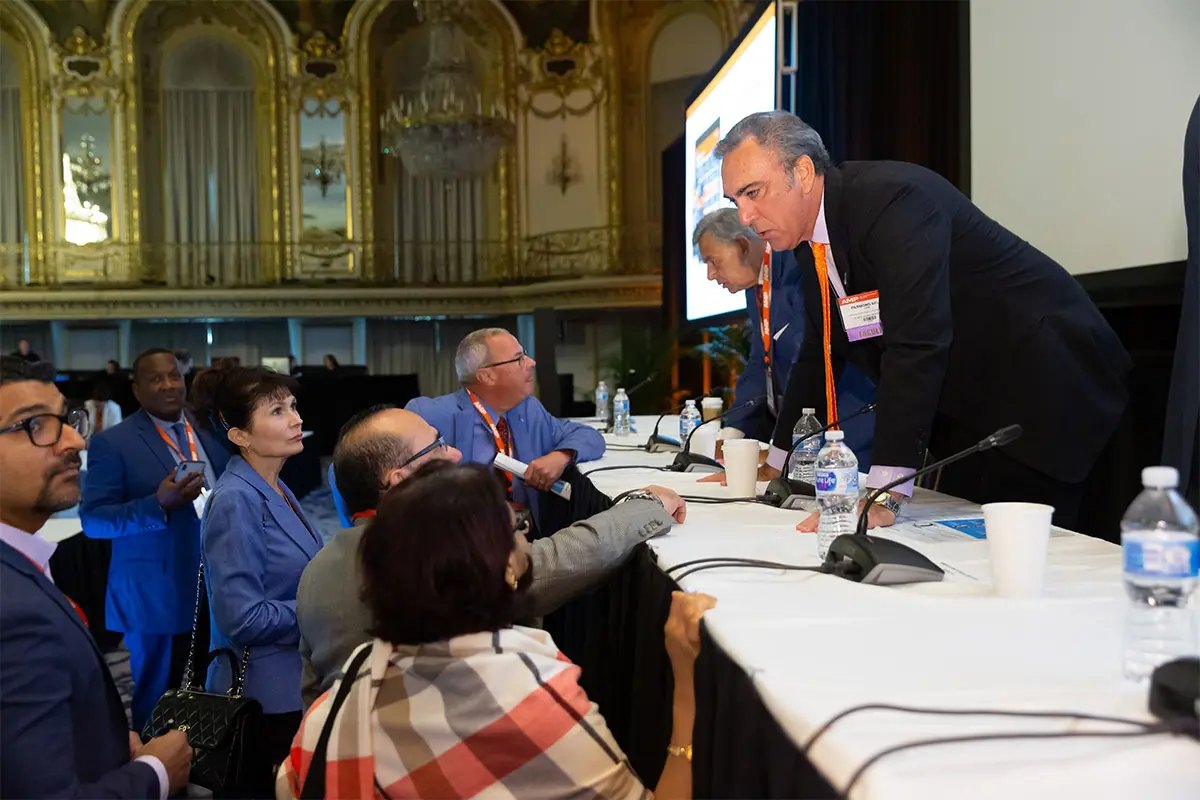
TOBA, out in the field
Check the blood flow before making a decision that cannot be undone.
Most amputations happen because a leg or foot is not getting enough blood, often because of peripheral arterial disease (PAD) or diabetes. A vascular test measures that blood flow. The most common one, the ankle-brachial index, compares the blood pressure at the ankle with the arm. It is quick and does not hurt.
If blood flow can be restored, a vascular specialist may be able to save the limb or make a smaller surgery possible. TOBA makes sure that question is asked, and answered with real test results, for every patient.
You can’t have a tooth pulled without an X-ray. You shouldn’t lose a leg without a vascular study.
A gap in care we can close
Figures as reported in Swoboda et al., Advances in Skin & Wound Care, 2026, and the studies it cites.
Four steps before an irreversible decision
Modeled on the surgical safety time out hospitals already use for every operation.
Pause before the procedure
Any patient being considered for a non-traumatic amputation gets a brief, structured time out with the care team.
Confirm the vascular studies
Ankle-brachial index, toe pressures, arterial ultrasound, CT angiography, or other vascular imaging: done, displayed, and reviewed by the surgeon.
Bring in vascular expertise
A vascular surgeon or interventionalist evaluates whether blood flow can be restored, alongside wound care, podiatry, and primary care.
Decide on objective findings
If testing is missing, the team stops and gets it before any irreversible step. Amputation is considered only after the options to save the limb are on the table.
You have the right to ask before an amputation.
If you or someone you love is told an amputation is needed, these questions can open the door to every option. You can also ask for a second opinion.
- Have I had a test of the blood flow in my legs?
- What did the results show, and has a vascular specialist reviewed them?
- Is there a procedure that could improve the blood flow to my leg or foot?
- Are there other options to try before an amputation?
- Can I get a second opinion from a vascular or limb preservation specialist?
Make the time out part of every amputation decision.
- Adopt TOBA as part of surgical safety and limb preservation protocols.
- Make vascular test results visible to the surgeon before the procedure.
- Track vascular testing rates before every amputation.
- Build a multidisciplinary limb preservation team: vascular, wound care, podiatry, and primary care.
- Partner with SALSAL to make TOBA the standard of care.
Time Out Before Amputation
TOBA is described in the June 2026 issue of Advances in Skin & Wound Care and was presented as the research poster A Novel Strategy for Limb Salvage.
Early results from a pilot hospital in North Carolina showed the protocol could be put into practice, along with a reduction in amputation severity. Further research is needed to measure its full impact.
Swoboda L, Bell D, Bauer K, Clayton S. Time Out Before Amputation. Adv Skin Wound Care. 2026;39(5):234–235.
Read the article ›TOBA, answered
What is Time Out Before Amputation (TOBA)?
TOBA is a patient safety initiative from the Save a Leg, Save a Life Foundation. Before any non-traumatic lower-extremity amputation, the care team pauses to confirm that vascular studies have been done and reviewed, and that every option to restore blood flow has been considered. It is modeled on the surgical safety time out hospitals already use.
How many amputations happen without vascular testing?
Studies find that 31.6% to 51% of patients in the U.S. receive no vascular assessment before a lower-extremity amputation. That is an estimated 48,000 to 74,000 amputations every year (Swoboda et al., Advances in Skin & Wound Care, 2026).
Why should blood flow be tested before an amputation?
Poor blood flow, most often from peripheral arterial disease (PAD), is a leading reason foot and leg wounds do not heal. A vascular test shows whether a procedure to restore blood flow could help, which may improve limb function and delay or even prevent amputation. When a vascular surgeon is involved, testing before amputation approaches 100%.
What tests check blood flow in the legs?
Common vascular tests include the ankle-brachial index (ABI), toe pressures, arterial duplex ultrasound, CT angiography, MR angiography, and angiography. The ABI compares the blood pressure at the ankle with the arm. It is quick and does not hurt.
What should I ask if I am told I need an amputation?
Ask whether you have had a test of the blood flow in your legs, what the results showed, whether a vascular specialist has reviewed them, whether a procedure could improve blood flow, and what other options exist. You also have the right to a second opinion from a vascular or limb preservation specialist.
How can a hospital adopt TOBA?
Add the time out to surgical safety and limb preservation protocols, make vascular results visible to the surgeon before the procedure, track vascular testing rates before every amputation, and build a multidisciplinary limb preservation team. The free TOBA checklist on this page is a place to start, and SALSAL partners with hospitals that want to make TOBA the standard of care.
Print it, share it, bring it to the room
Free to download, print, and share with patients, families, care teams, and hospital leaders.
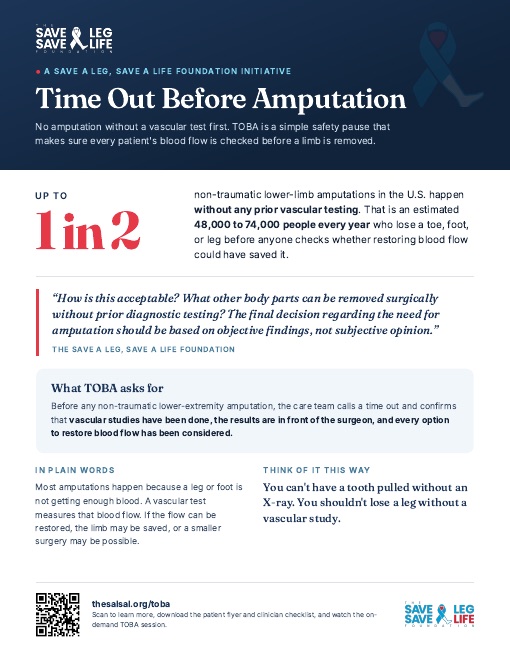
TOBA Overview
The problem, the evidence, how the time out works, and what hospitals can do now.

Facing an amputation? Ask for a time out first.
A plain-language guide to vascular testing, with the questions to ask your care team.
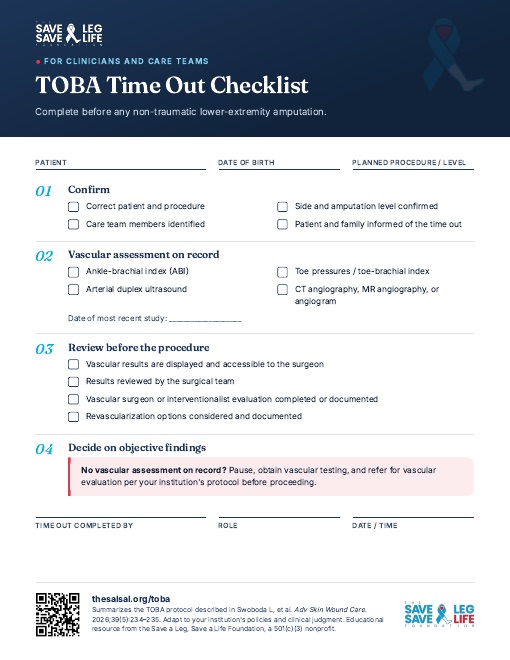
TOBA Time Out Checklist
A printable checklist to complete before any non-traumatic lower-extremity amputation.
This information is for educational purposes only and is not intended to replace professional medical advice. Always consult your healthcare provider.
Learn the approach in full.
Mary L. Yost and Dr. Jayer Chung walk through the multidisciplinary model in our on-demand TOBA session.